Tooth decay is one of the most common oral health problems affecting both children and adults. When cavities are left untreated, they can lead to pain, infection, and even tooth loss. Fortunately, modern dentistry offers various tooth filling materials to restore damaged teeth. One such option that is widely used in Singapore is glass ionomer tooth filling.
Glass ionomer fillings are especially valued for their fluoride-releasing properties, gentle application, and suitability for specific dental conditions. In Singapore, dentists often recommend glass ionomer tooth fillings for children, elderly patients, and areas of the mouth that require extra protection against decay.
This article explores everything you need to know about Glass Ionomer Tooth Filling Singapore — what it is, how it works, its benefits, costs, and why it may be the right choice for you.
1. What is Glass Ionomer? The “Active” Filling
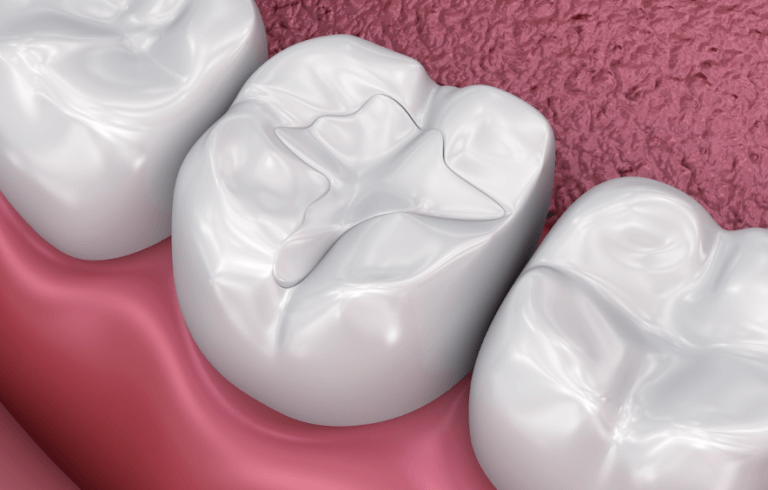
Glass Ionomer Cement (GIC) is a dental restorative material consisting of a mixture of silicate glass powder and a water-soluble polymer (polyacrylic acid). Unlike composite resins, which are essentially inert plastics, Glass Ionomer is chemically active.
The defining characteristic of GI is its fluoride-releasing property. Once placed in the tooth, it acts like a reservoir, slowly leaching fluoride into the surrounding tooth structure over time. In a city-state like Singapore, where our diet often includes sugary treats like bubble tea or kaya toast, this extra layer of chemical protection is a significant clinical advantage.
Common Uses of Glass Ionomer Tooth Filling in Singapore
1. Paediatric Dentistry (The School Dental Clinic)
If you grew up in Singapore, you likely remember the mobile dental vans at your primary school. School dentists almost exclusively use GI for children. Why? Because kids are wiggly, their mouths are hard to keep dry, and their baby teeth only need to last a few years. The fluoride release also helps protect their developing permanent teeth.
2. The “Sandwich Technique”
Many private dentists in Singapore use a hybrid approach. They place a layer of Glass Ionomer at the bottom of a deep cavity to protect the nerve and release fluoride, then “sandwich” a layer of strong, pretty Composite on top. This gives you the best of both worlds: protection at the base and beauty on the surface.
3. Cervical Fillings (Gum-line Decay)
As we age, our gums may recede, exposing the softer root surface. This area is highly prone to decay. Because the root doesn’t have enamel, composite doesn’t stick to it very well. GI, however, loves the root surface. Most Singaporean seniors receiving subsidized care via the Pioneer or Merdeka Generation schemes will receive GI fillings for these types of “neck” cavities.
Why Glass Ionomer Fillings Are Popular in Singapore
Singapore’s dental care system places strong emphasis on preventive dentistry and long-term oral health. Glass ionomer tooth fillings align well with this philosophy for several reasons.
1. Fluoride Release for Cavity Prevention
One of the biggest advantages of glass ionomer fillings is their continuous release of fluoride. Fluoride helps remineralise enamel, making teeth more resistant to decay. This is especially beneficial for children and patients with frequent cavities.
2. Chemical Bonding to Teeth
Glass ionomer fillings chemically bond to both enamel and dentin. This strong adhesion reduces microleakage and lowers the risk of bacteria entering the tooth, which is a key concern in tooth filling treatments in Singapore.
3. Gentle and Minimally Invasive
Compared to other filling materials, glass ionomer requires minimal removal of healthy tooth structure. This makes the procedure faster, gentler, and more comfortable for patients.
4. Suitable for Children and Elderly Patients
In Singapore, glass ionomer fillings are commonly used for paediatric and geriatric dental care because they are easy to place, moisture-tolerant, and provide added protection against decay.
The Glass Ionomer Tooth Filling Procedure
If your dentist recommends a glass ionomer tooth filling in Singapore, here’s what you can expect during the procedure.
Step 1: Dental Assessment
The dentist examines your tooth and may take X-rays to determine the extent of decay. Glass ionomer filling is recommended if the cavity is suitable for this material.
Step 2: Tooth Cleaning and Preparation
The decayed portion of the tooth is gently removed. Unlike composite fillings, minimal tooth preparation is required.
Step 3: Placement of Glass Ionomer Material
The glass ionomer material is mixed and placed into the cavity. It bonds naturally to the tooth without the need for additional bonding agents.
Step 4: Shaping and Setting
The dentist shapes the filling to ensure a comfortable bite. The material sets naturally or may be light-cured, depending on the type used.
The procedure is usually quick and can be completed in a single visit, making it a convenient option for tooth filling treatments in Singapore.
Limitations: What GI Can’t Do
Despite its “superpowers,” GI has its limits. If you are looking for a tooth filling in Singapore for a high-pressure area, GI might not be the first choice.
- Wear Resistance: If you place GI on the biting surface of a molar in a patient who grinds their teeth (bruxism), the filling will likely wear down or crack within a year or two.
- Aesthetics: GI is more opaque than composite. If you need a filling on your front two teeth, GI might look a bit like a “white patch” rather than a natural part of the tooth.
- Brittleness: It doesn’t handle “tensile” stress well. It’s great at being squished, but not great at being pulled or snapped.
Caring for Your Glass Ionomer Filling
Once your Singapore dentist has placed your GI filling, care is straightforward but essential:
- Wait to Eat: Unlike composite (which is 100% hard the moment the blue light turns off), GI continues to “mature” for 24 hours. Most dentists will advise you not to eat very hard foods for at least an hour.
- Acid Control: While GI releases fluoride to fight acid, extreme acidity (like sucking on lemons or excessive soft drinks) can degrade the glass matrix of the filling.
- Recharging: Did you know you can “recharge” your GI filling? By using a high-fluoride toothpaste (like those containing 1450ppm fluoride, common in SG pharmacies), the GI filling absorbs the fluoride and then re-releases it later. It’s like a rechargeable battery for your tooth!
Conclusion: The Verdict on GI
Glass Ionomer is not just a “cheap alternative” to composite. It is a therapeutic dental material that serves a vital purpose in Singapore’s public health strategy. It is the gold standard for children, a protective barrier for seniors, and a reliable base for deep restorations.
If your dentist suggests a Glass Ionomer filling, they are likely prioritizing the long-term chemical health of your tooth over pure aesthetics. In the humid, high-sugar landscape of Singaporean dining, having a “fluoride factory” in your mouth is never a bad idea.